
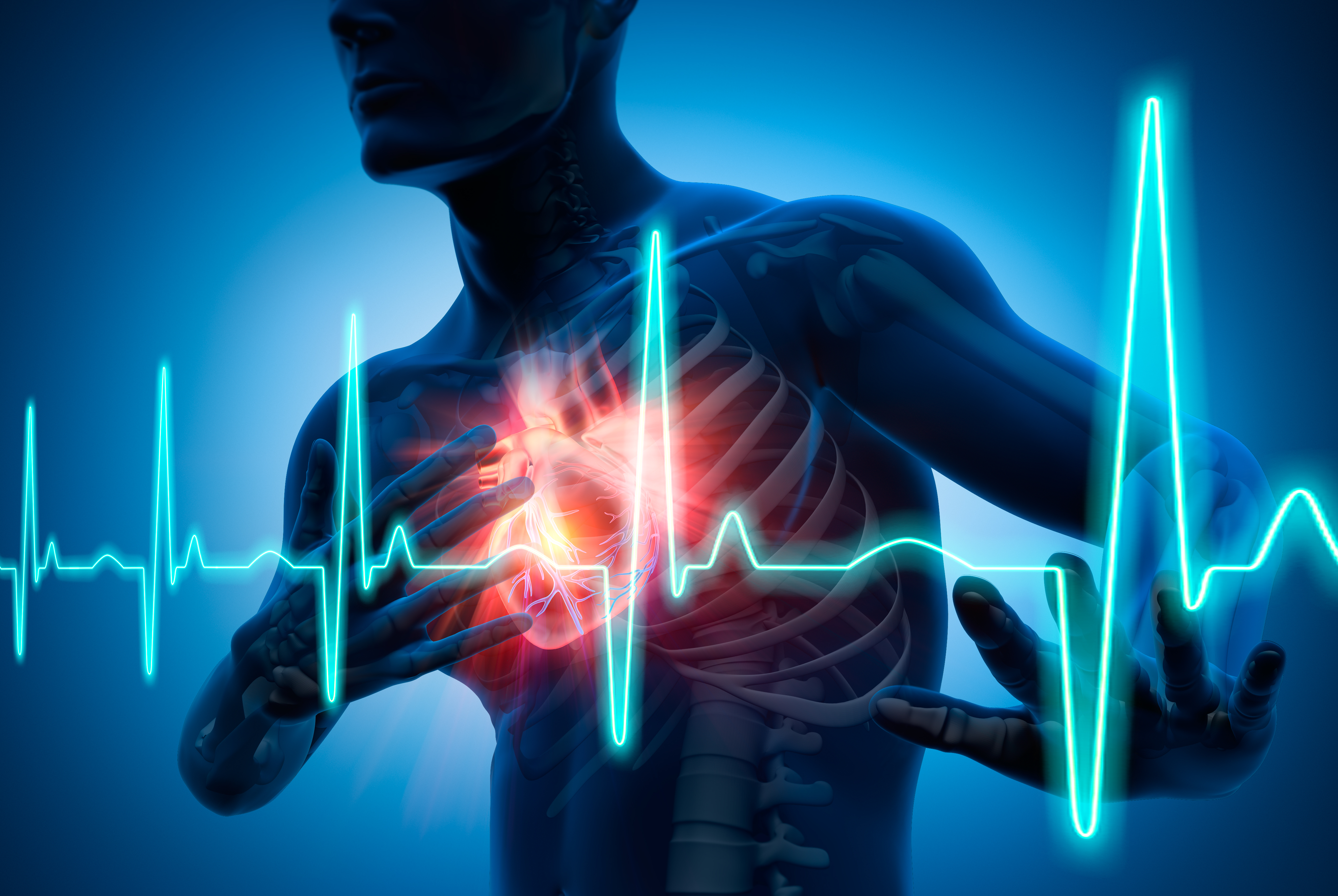
EKG Testing in Palm Beach Gardens / Jupiter
A common in-office diagnostic tool is an electrocardiogram — abbreviated as EKG or ECG. It’s a test that measures the electrical activity of the heart. With each beat, an electrical impulse (or wave) travels through the heart. This wave causes the muscle to squeeze and pump blood from the heart throughout the body.
Dr. Weisz uses an EKG to help diagnose heart-related problems such as chest pains, shortness of breath, dizziness or fainting. She will examine the results looking for such anomalies as an irregular heartbeat and to evaluate the overall health of the heart. Your annual physical examination includes an EKG. During your initial visit, the results will form a baseline against which future readings will be compared. If serious issues warrant it, Dr. Weisz decides, after studying your EKG, to refer you to a cardiologist or heart specialist.
Are There Any Risks with an EKG Test?
An electrocardiogram is a quick, easy way to assess the heart’s function. Risks associated with it are minimal and rare. You won’t feel anything during the EKG, but it may be a bit uncomfortable when the sticky electrodes are removed. Normally, the results of your EKG are reliable and may be safely employed as part of your medical assessment or diagnosis. However, some conditions may interfere with the results and reduce accuracy. These include:
• Obesity
• Pregnancy
•Fluid build-up. Edema.
•Movement during the test
•Exercise or smoking before the test
•Cardiac medications
•Electrolyte imbalances, such as too much or too little potassium, magnesium, or calcium in the blood.
What to Expect During Your EKG
Here’s what to expect when you undergo an EKG:
1. Removal of any jewelry or other objects that may interfere with the test.
2. First, you will lie flat on an exam table. It will be important for you to lie still and not talk during the test.
3. If your chest, arms, or legs are very hairy, Dr. Weisz or her medical assistant may shave or clip small patches of hair so that the electrodes will stick closely to the skin.
4. Electrodes will attach to your chest, arms, and legs using an adhesive lotion.5. The lead wires will attach to the electrodes.
6. Once the leads attach, the medical assistant will type in identifying information about you.
7. The EKG machine is then turned on. It takes only a short time for the tracing to be complete.
8. Upon completion, disconnection of the leads and removal of the skin electrodes.
Overall, an EKG is one part of understanding your heart health. Dr. Weisz also reviews blood pressure, cholesterol, family history and lifestyle, and coordinates cardiology referral when needed.
Related: Heart Disease Prevention · Comprehensive Health Assessment · Preventive Health & Wellness · Chronic Care Management · Diabetes & Prediabetes Care
What Can Affect EKG Results
- moving or talking during the test
- exercising or smoking just before it
- some heart medicines
- low or high potassium, magnesium or calcium
- excess weight, or fluid build-up
Get to Know Dr. Weisz
Dr. Weisz invites anyone interested in membership to a complimentary Meet & Greet. Call 561-802-7999 (Monday–Friday, 8:30am–4:30pm) or request a time online. Weisz Concierge Medical currently accepts Medicare, Aetna, Cigna and Blue Cross Blue Shield.