
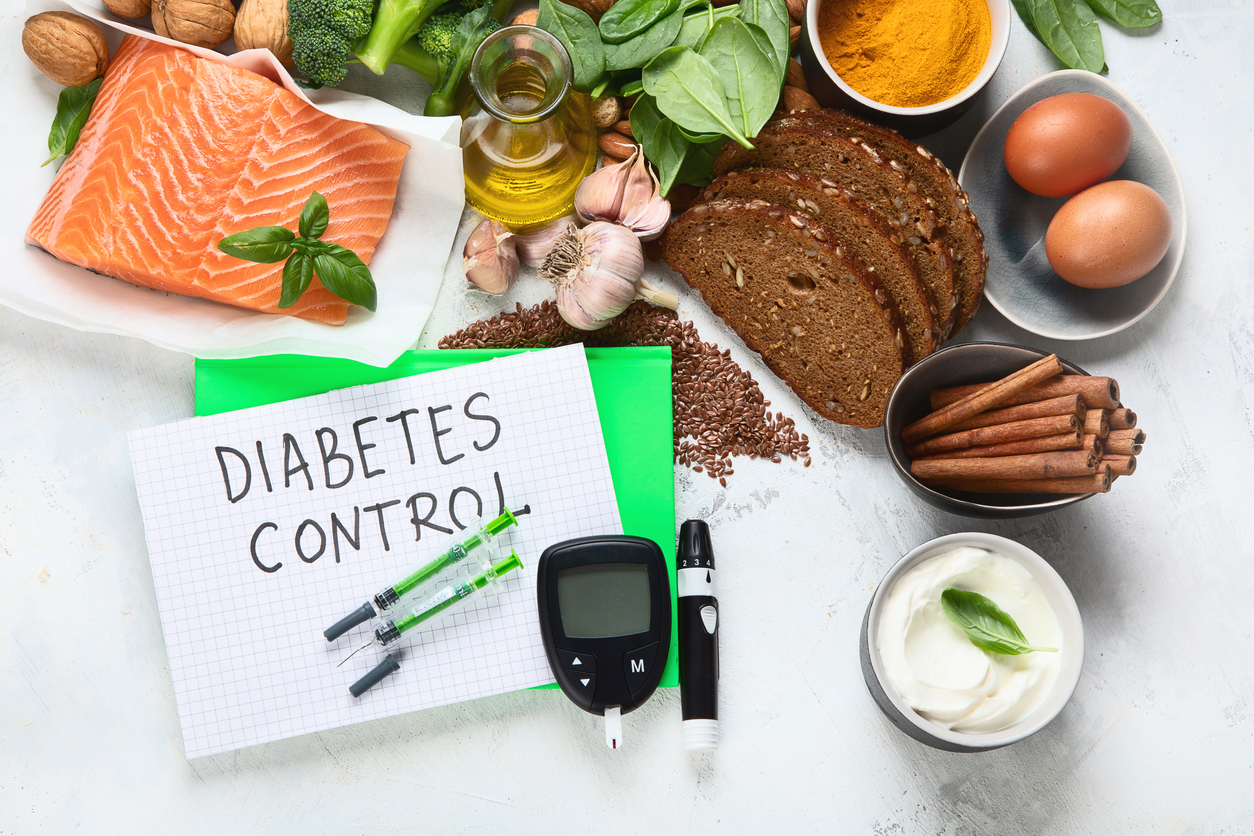
Managing Diabetes and Controlling Your Blood Sugar
Dr. Alla Weisz believes that diabetes education is the cornerstone of diabetes management. This is due to the fact that diabetes requires day-to-day knowledge of nutrition, exercises, monitoring, and medications. Like some other conditions, such as high cholesterol and hypertension, diabetes requires direct patient participation. This comes in the form of diet management, physical activity, glucose monitoring and psychological adjustment.
Diagnosing Diabetes and Diabetic Management
During your routine examination, Dr. Weisz will look for certain well-known symptoms to alert her that you may be at risk for diabetes. These include the need to urinate often, extreme thirst or hunger, blurry vision, non-healing sores, weakness and fatigue. To make sure, she may order one or more diagnostic tests such as urinalysis that looks for sugar in your urine; a fasting or a random plasma glucose test that measures the sugar level in your blood; or an oral glucose tolerance test, which requires fasting for 8 hours and then drinking a sugary drink. She may also order an A1C blood test, which reflects your average blood sugar over the past 2 to 3 months (American Diabetes Association).
Prediabetes: the best time to act
Prediabetes means blood sugar is higher than normal but not yet in the diabetes range. More than 2 in 5 U.S. adults have prediabetes, and about 8 in 10 of them don’t know it (CDC). Finding it early gives you the best chance to prevent type 2 diabetes through weight, nutrition and activity changes, with Dr. Weisz’s guidance and follow-up.
Treating Diabetes and Management
How will Dr. Weisz treat you if the tests reveal that you are a Type II or borderline diabetic? For many patients, diet and lifestyle changes will help keep blood sugar at a normal level and prevent the disease from leading to more serious problems, such as blindness or kidney damage. Dr. Weisz may place you on a regimen of diabetes medication(s). If these measures are not effective in controlling your blood sugar level, you may need to begin injecting insulin.
As part of your diabetes management, you are encouraged to learn how to self-monitor your blood sugar levels at home using a blood sugar meter. Dr. Weisz will educate you about how and when to check and about what blood sugar numbers are appropriate for you. You will be guided to maintain a daily record of your levels and encouraged to let the office know if your level is too high or too low.
Should your diabetes management require more extensive treatments, Dr. Weisz will refer you to a skilled endocrinologist who will use advanced diagnostic tools to help resolve your situation. She will continue to monitor your care, providing ongoing support, ensuring that you are able to successfully manage your diabetes.
Supportive Care Services
Preventative Health and Wellness
Related: Heart Disease Prevention · Comprehensive Health Assessment · Weight Management · Chronic Care Management · Heart Health & EKGs
Related Reading
- Do You Need a Continuous Glucose Monitor If You Don’t Have Diabetes?
- The Expanding Health Benefits of GLP-1 Medications
- Keto Diet vs. Mediterranean Diet
- Is Semaglutide Safe?
- Beyond BMI: Better Ways to Measure Body Fat
Get to Know Dr. Weisz
Dr. Weisz invites anyone interested in membership to a complimentary Meet & Greet. Call 561-802-7999 (Monday–Friday, 8:30am–4:30pm) or request a time online. Weisz Concierge Medical currently accepts Medicare, Aetna, Cigna and Blue Cross Blue Shield.