

A. There are many reasons to account for chronic fatigue. Here are the top five:
1) Not enough quality sleep
Even if you’re “in bed” 8 hours, sleep might not be restorative.
2) Stress, anxiety, or low mood
Mental load is exhausting. Constant worrying.Feeling emotionally drained
3) Low iron or anemia
Very common, especially in women, older adults, or people with dietary limits. Fatigue + dizziness, pale skin, shortness of breath.
A simple blood test can check this.
4) Thyroid issues
An underactive thyroid slows everything down.
Symptoms: Fatigue + weight gain, feeling cold, dry skin, constipation.
5) Poor nutrition or not eating enough
Low protein, low calories, or blood sugar swings can wipe you out. You crash in the afternoon or feel shaky/hungry often.
The best way to deal with these, or other causes of chronic fatigue is to visit Dr. Weisz. She can arrange for blood tests and other diagnostic tests to help understand the causes and proper treatment of your fatigue.
==================================================================
Sources: JULIE EVANS AND CHRISTINE MATTHEIS. FEB 20, 2024. Prevention.com.
==================================================================

These Three Types of Exercise Are Essential As You Get Older
Staying healthy—especially as you get older—requires more than just one kind of exercise. Most people focus on only one activity, but research shows the best results come from doing three key types:
- Aerobic (Endurance/Cardio)
These activities raise your heart rate and improve lung and heart health. They help lower the risk of diseases like diabetes, heart disease, and some cancers.
Older adults should aim for about 150 minutes of moderate activity per week, such as brisk walking, swimming, dancing, yard work, or biking.
- Muscle-Strengthening (Strength Training)
Strength exercises help you stay independent by making daily tasks easier—like climbing stairs or carrying groceries. They also slow muscle loss and reduce fall risk.
Do these exercises at least two days per week, working major muscle groups.
Examples include resistance bands, weights, squats, lunges, planks, or heavy gardening.
Safety tips: avoid overdoing it, breathe properly, and use correct form.
- Balance Exercises
Balance training is especially important for preventing falls. Aim for three sessions per week.
Examples include tai chi, yoga, standing on one foot, heel-to-toe walking, or using a wobble board.
Safety tips: go slowly, have support nearby, and wear stable footwear.
Flexibility
Stretching helps maintain joint movement and makes everyday activities easier. Stretch when muscles are warm and never to the point of pain.
Older adults benefit most from a varied weekly routine that includes cardio, strength, and balance. Many activities—like yoga, dancing, tai chi, and gardening—combine multiple exercise types, making workouts more enjoyable and reducing boredom or injury risk.
==================================================================
Source: This content is provided by the NIH National Institute on Aging (NIA). NIA scientists and other experts review this content to ensure it is accurate and up to date.
==================================================================
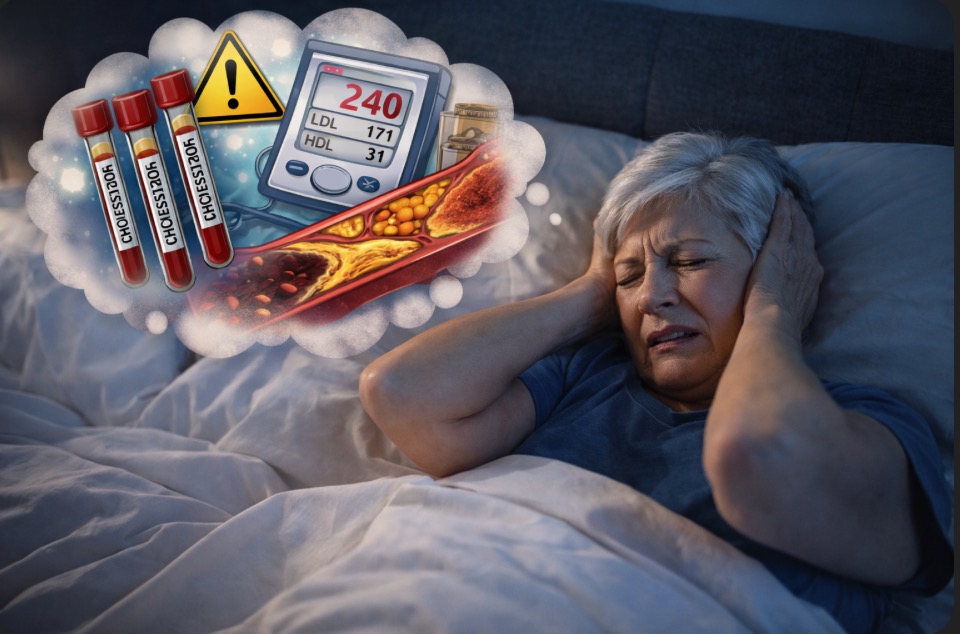
Does Sleep Affect Your Cholesterol?
Sleep quality and duration play an important role in cholesterol and heart health.
Here are some Cholesterol Basics: To protect your heart, healthy cholesterol levels include:
- Total cholesterol below 200 mg/dL
- LDL (“bad”) cholesterol under 100 mg/dL
- HDL (“good”) cholesterol at healthy levels (higher is better)
- Triglycerides under 150 mg/dL
High LDL and triglycerides can cause plaque buildup in arteries, raising the risk of heart disease, while HDL helps remove LDL.
Why Sleep Matters
Sleep is when the body repairs itself, lowers blood pressure, and allows the heart to recover. Adults should aim for 7–9 hours of restorative sleep each night.
Too Little Sleep
Not getting enough sleep is linked to:
- Higher triglycerides
- Lower HDL (“good”) cholesterol
- Hormone imbalances (more cortisol and ghrelin, less leptin) that can disrupt metabolism and cholesterol control
- Sleep disorders like sleep apnea are also strongly tied to unhealthy cholesterol levels.
Too Much Sleep
Oversleeping may also harm cholesterol. Studies show that sleeping 9 hours or more can be associated with:
- Lower HDL
- Higher triglycerides
- Greater risk of obesity
Both too little and too much sleep can negatively affect cholesterol, especially triglycerides and HDL, increasing heart disease risk.
Improving Sleep Quality:
- Keep a consistent sleep schedule
- Sleep 7–8 hours regularly
- Creat a cool, dark, quiet bedroom
- Avoid caffeine, alcohol, and screens before bed
- Manag stress with relaxation techniques
Long-term, lifestyle changes are better than relying on sleeping pills, and anyone with ongoing sleep trouble should consult Dr. Weisz.
==================================================================
Source: Susan Bernstein, WebMD. Medically Reviewed by Sabrina Felson, MD on July 26, 2025
==================================================================

Are Continuous Glucose Monitors (CGMs) Just For People With Diabetes?
Nicola Guess, PhD, is an academic dietitian and researcher specializing in the dietary prevention and management of type 2 diabetes.
Guess saw a patient a few years ago who had come to him because he had been using a continuous glucose monitor (CGM), despite not having diabetes, and was worried about what he called “glucose spikes” after he ate. He said he didn’t know what he should be eating. On questioning, he said the peak was around 8mmol/L. He had cut rice, pasta, and bread from his diet, but this just sent him on a spiral of worsening glycemic readings. He then cut out fruit, and still, his glucose did not improve. He ended up frustrated and confused.
This man’s experience was not atypical.
The Trouble With CGMs
Misunderstanding glucose readings on CGMs can lead people to worry about conditions they don’t actually have. Cut-offs for pre-diabetes and type 2 diabetes from oral glucose tolerance tests are based on the glucose concentration 2 hours after the glucose load. But many patients see these figures and mistakenly believe that a glucose >7.8mmol/L at any time after they eat indicates pre-diabetes.
A major barrier to personalizing based on glucose is how variable glucose is — and the glucose excursion after a meal is influenced by a multitude of factors independent of what a person ate at that meal. For example, a person eating a banana in the immediate post-exercise period will have an exaggerated glycemic response because intensive exercise acutely lowers glucose tolerance. But if they ate the banana the day after the intensive exercise — when insulin sensitivity is at its peak — they’d have a much-reduced glucose excursion.
A recent analysis demonstrated that a person would need to test a single food 12 to 67 times to be able to rank their glucose response to it. You can see how trying to figure all this out can drive a person crazy. It’s also worth mentioning that even in type 1 diabetes, where CGMs genuinely change lives, these devices can still result in anxiety.
Challenges in Reaping the Potential Benefits of CGMs
So, with all these potential downsides, are there any upsides to CGMs for the general population living with overweight or obesity?
There are an awful lot of editorials about the “promise” of CGMs for behavior change. But what behaviors could CGMs be useful in promoting? One example where this might work is trying to encourage physical activity by advising a patient to take short post-meal walks, and using a CGM for biofeedback on the immediate benefits (this type of exercise does indeed lower glucose).
Toward Better Health?
Ultimately, CGM use does not change our knowledge about what constitutes a healthy diet and lifestyle, but an unanswered question is whether their use can help people stick to healthy guidelines. Unfortunately, outcomes from interventions using a CGM as a behavior change tool show a modest improvement in HbA1c, but no change in body weight, LDL cholesterol, or blood pressure.
Nearly half of the U.S. adult population has hypertension and over a quarter have elevated LDL cholesterol. These are causal risk factors for serious cardiovascular disease.
So, for the vast majority of people without diabetes, there is not only very limited evidence of CGM benefit, but also some potential for unintended consequences. This is, however, an emerging field.
==================================================================
Source: Nicola Guess. MedPage Today. August 25, 2025.
==================================================================
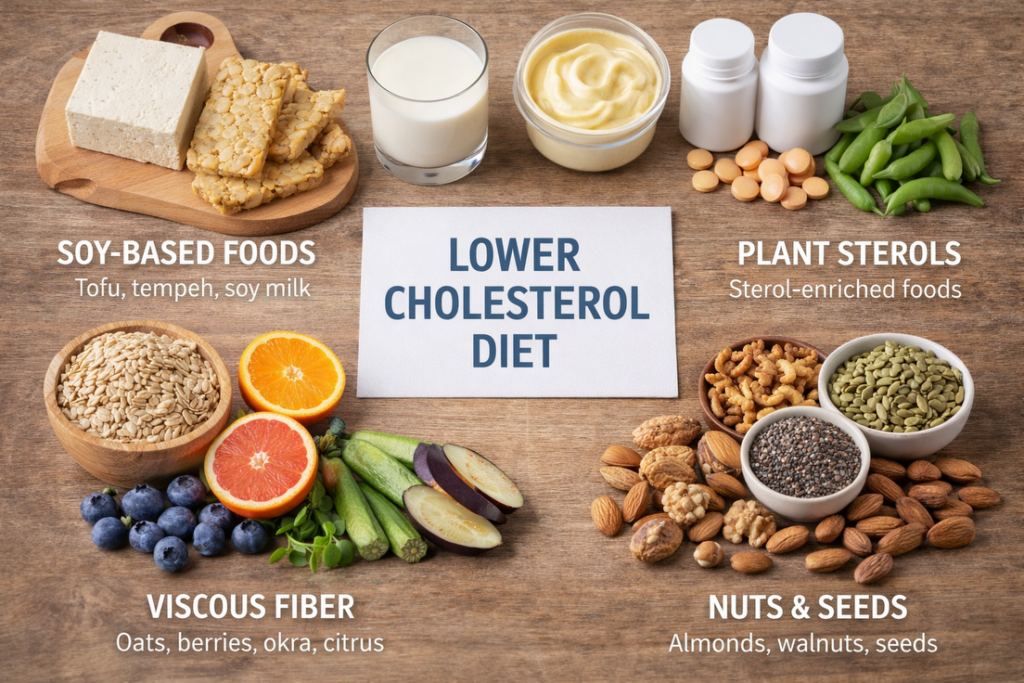
The Portfolio Diet Will Lower Your Cholesterol
The portfolio diet isn’t designed to drop pounds. Instead, it aims to lower your cholesterol. It’s not actually a diet plan. It’s a “Dietary Portfolio.”
The concept is to diversify your nutritional strategies to curb your cholesterol level. “Just as you wouldn’t bet all your money on a single stock,” says diet founder, David J.A. Jenkins, MD, PhD, a University of Toronto professor of nutritional sciences. “you shouldn’t rely on one kind of healthy food. In other words, don’t put all of your eggs in one basket.”
“We want people to look at the combinations of foods – in real diets for real people in the real world – that will carry a range of benefits and reduce a range of risks.”
4 Key Foods in the Portfolio Diet
The portfolio diet recipe for lower cholesterol focuses on four kinds of food:
1) Soy-based foods. “We are looking at soy-based meat substitutes such as soy burgers, tofu, tempeh, and soy cold cuts,” Jenkins says. “And we also used soy milk as a dairy substitute.” For Thanksgiving, he suggests, one might replace turkey with “Tofurky.”
2) As much viscous (sticky) fiber as possible. Food sources of viscous fiber include oats, barley, eggplant, okra, berries, and citrus fruit. You can also get viscous fiber with daily servings of psyllium.
3) Plant sterol-enriched foods. These include some margarines, or you can get them from dietary supplements.
4) Nuts and seeds. In early studies of the diet, people ate a handful of almonds every day. Other tree nuts, peanuts, and seeds were included in later studies.
“People don’t normally put all these foods together,” Jenkins says. “People talk about soy, and oat bran, and plant sterols, oils and nuts, but nobody has put them all together.”
Don’t worry: Those foods aren’t all going into one dish. They’re spread throughout the day.
A typical day on the portfolio diet offers:
Breakfast: Soy milk, oat-bran cereal with chopped fruit and almonds, and a blueberry smoothie with Metamucil
Lunch: Oat-bran bread, bean soup, and an apple
Dinner: Tofu stir-fry with peanuts and lots of vegetables such as eggplant or okra that are rich in viscous fiber
Snacks: Choose from items like nuts, crunchy chickpeas, soy yogurt, or oat-bran bread with sterol-enriched margarine and jam.
Does the Portfolio Diet Work?
Jenkins’s team wanted to test the diet in the real world. So they signed up 46 people who said they wanted lower cholesterol, told them what to eat, and gave them sample menus. But they didn’t provide any prepared foods.
“Just about a third of them get very good results, with better than a 20% reduction in the ‘bad’ LDL cholesterol after six months,” Jenkins says. “Those results are constant from two weeks to six months. So after two weeks, you can say, ‘These are the people who are likely to stay the course.'”
For another 31% of people studied, LDL cholesterol dropped by 15%. But LDL cholesterol levels didn’t budge for the rest of the people in the study. That may be because they weren’t able to follow all the rules of the portfolio diet.
Those who relied on packaged goods or had to eat out a lot had much more of a problem.”
Looking across all six studies, Jenkins says that the portfolio diet lowers LDL-C by 17%, apolipoprotein B (15%), total cholesterol (12%) and triglycerides (16%). The observational studies showed that people who more closely followed the portfolio diet had a lower risk of heart disease, type 2 diabetes, and even early death. An important finding from these observational studies is that even eating some portfolio diet foods may protect you against several chronic diseases like heart disease, Jenkins notes.
“Even if you start adding just a few portfolio diet foods into your routine, you’ll still have a good return on your investment over the long term.”
Is the Portfolio Diet Right for You?
“If your goal is cholesterol reduction, this is a very adequate plan,” says Richard Milani, MD, chief clinical innovation officer at Sacramento, California-based Sutter Health. “If your goal is weight reduction, this may not be it. If your goal is reducing your risk of heart attack, the Mediterranean diet may be better – although plant sterols and nuts are part of the Mediterranean diet, too.”
But Milani is quick to note that the foods in the portfolio diet can be added to almost any healthy diet. “It can be done – inexpensively – to get people’s cholesterol under control,” he says.
Cholesterol-lowering drugs have more side effects at high doses, Jenkins notes. So he suggests that the foods in the portfolio diet may help people get the most out of these drugs – without increasing the dosage.
==================================================================
Source: David J.A. Jenkins, MD, PhD, DSc, director, Clinical Nutrition and Risk Factor Modification Center, St. Michael’s Hospital; professor of nutritional sciences, University of Toronto, Ontario, Canada. WebMD. February 11, 2025.
==================================================================
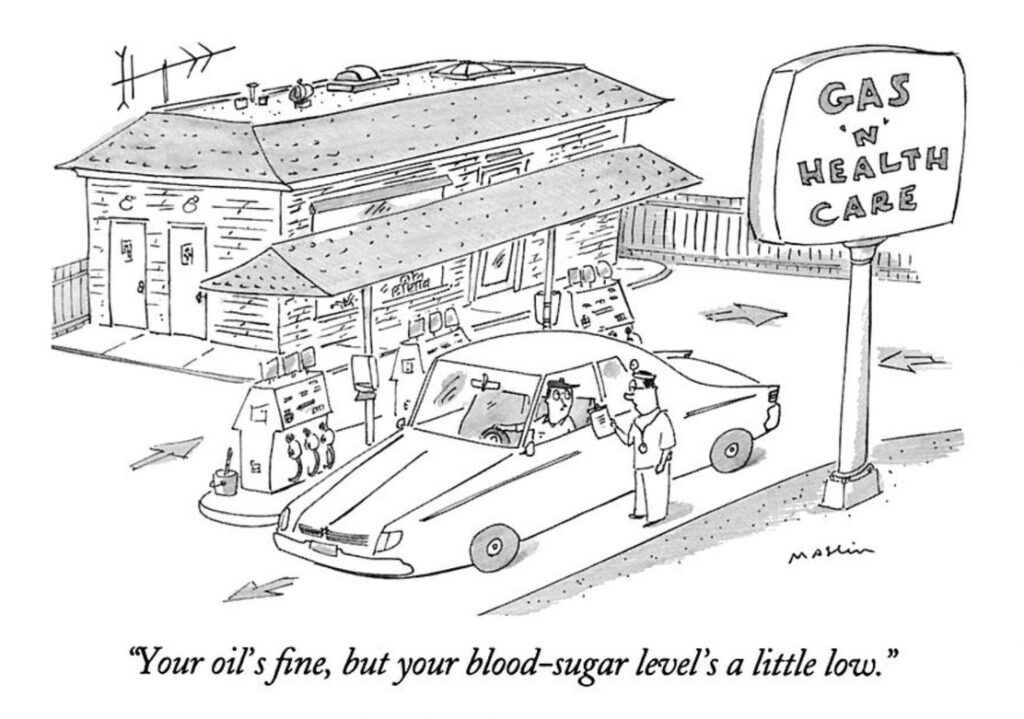
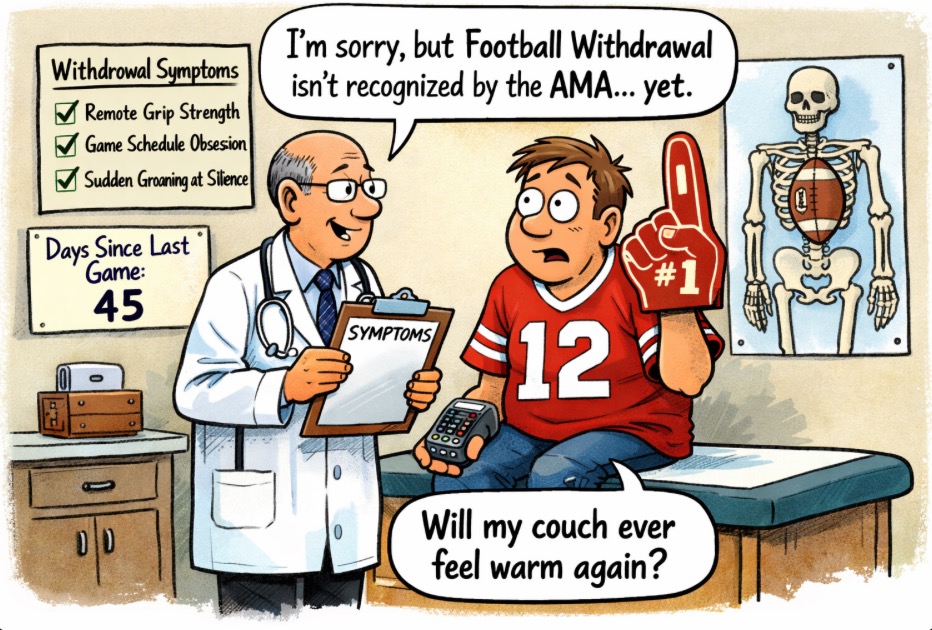
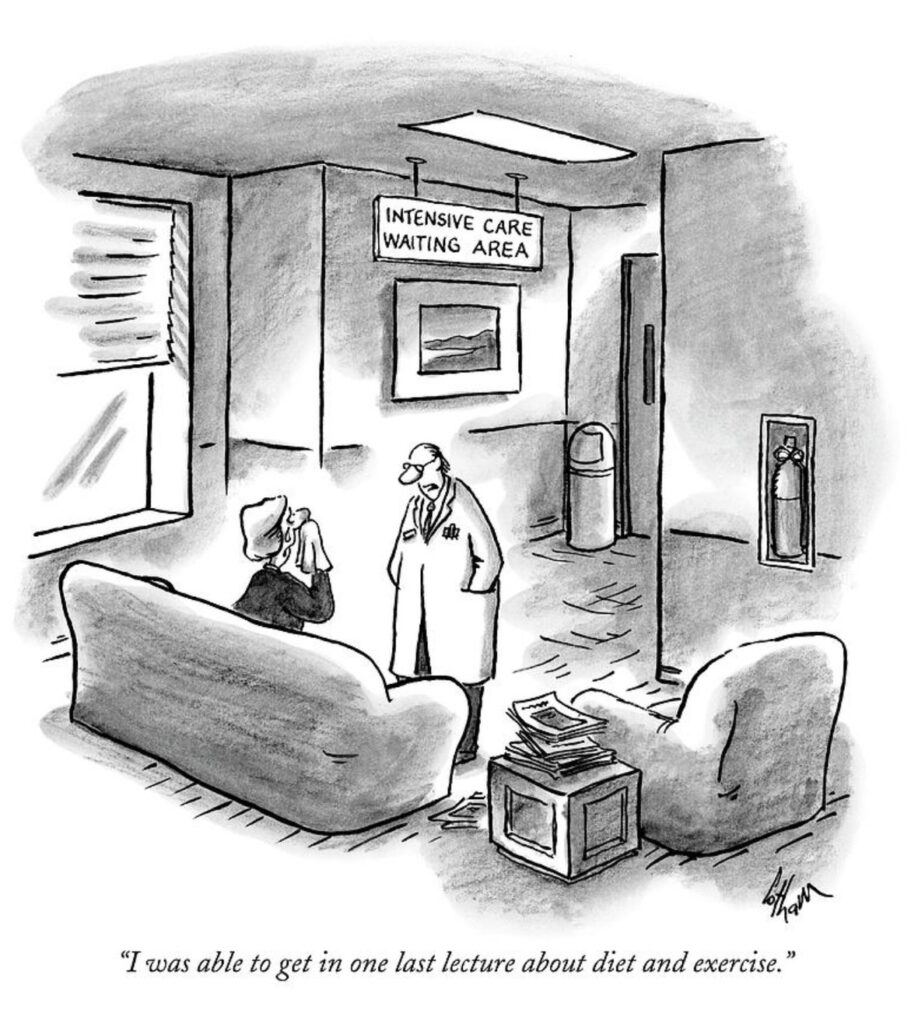
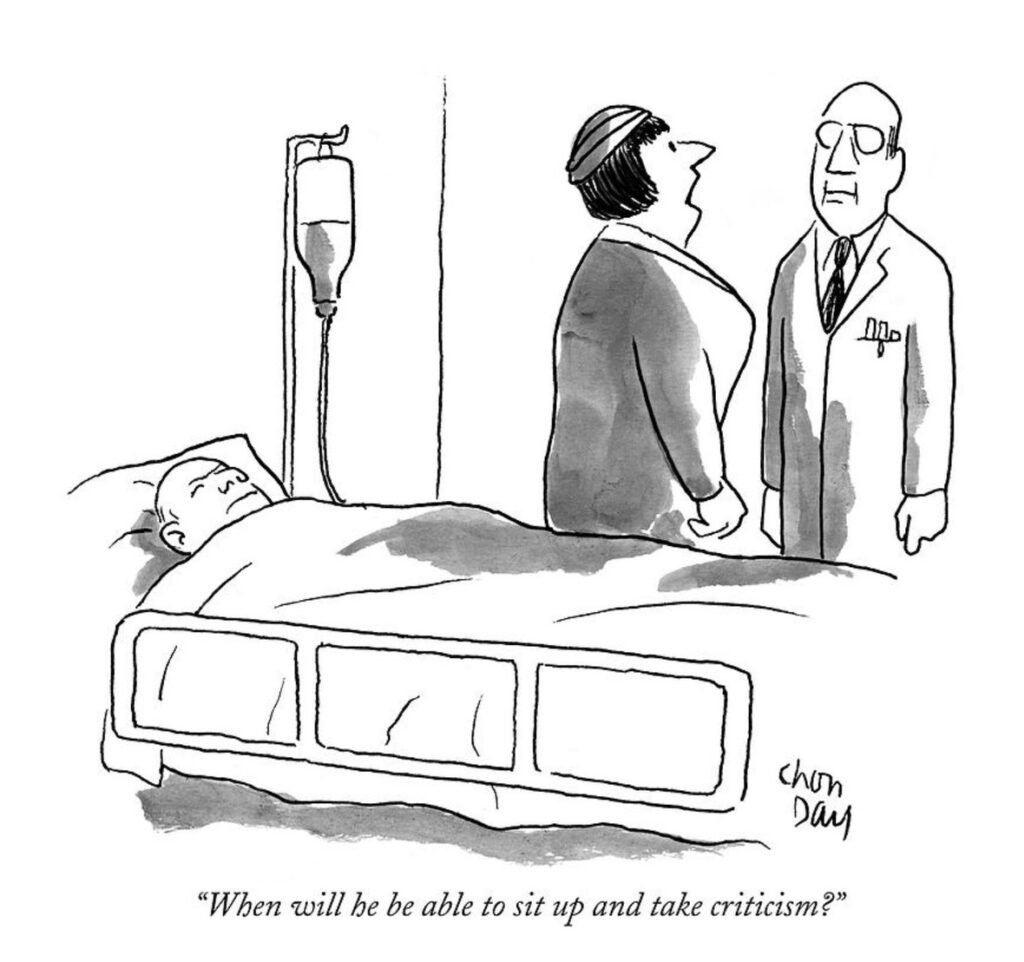
ON THE LIGHTER SIDE
==================================================================
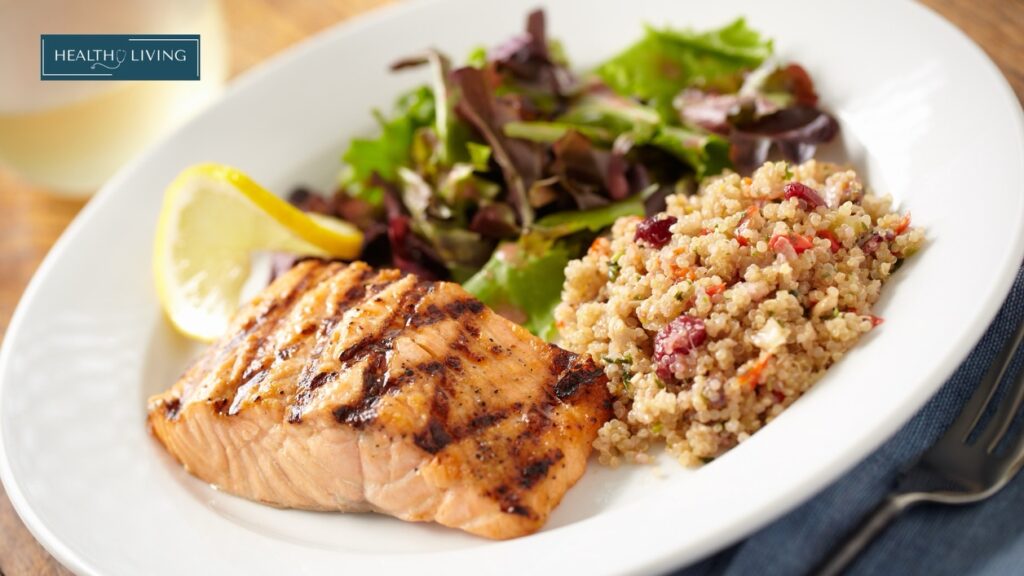
Lemon-Garlic Salmon with Quinoa & Roasted Vegetables
A Mediterranean-style heart healthy meal rich in omega-3s, fiber, and antioxidants — great for supporting healthy cholesterol levels.
Salmon provides omega-3 fats that support HDL (“good”) cholesterol. Quinoa adds fiber and plant-based protein. Vegetables deliver antioxidants and soluble fiber. Olive oil contains heart-friendly monounsaturated fats
Serves: 2–4 • Time: ~35–45 minutes • Healthy, flavorful, and effortlessly impressive.
Ingredients:
Salmon
- 2–4 salmon fillets (about 6 oz each)
- 2 tbsp olive oil or melted butter
- 3 cloves garlic, minced
- Zest + juice of 1 lemon
- 1 tsp Dijon mustard (optional but amazing)
- 1 tsp honey or maple syrup (optional for balance)
- Salt + black pepper
- 1 tsp dried oregano or thyme
- Fresh parsley, for garnish
Quinoa
- 1 cup quinoa (rinsed)
- 2 cups vegetable or chicken broth (or water)
- Pinch of salt
- 1 tbsp olive oil
- Squeeze of lemon (optional)
Roasted Vegetables
Pick a colorful mix:
- 1 zucchini, chopped
- 1 bell pepper, sliced
- 1 cup broccoli florets
- 1 red onion, sliced
- 1 cup cherry tomatoes (optional)
Seasoning:
- 2 tbsp olive oil
- 1 tsp garlic powder
- 1 tsp smoked paprika
- Salt + pepper
Directions
1- Roast the Vegetables
- Preheat oven to 425°F (220°C)
- Toss veggies with olive oil, garlic powder, paprika, salt, and pepper
- Spread on a baking sheet in a single layer
- Roast for 20–25 minutes, flipping halfway
- ✨ You want crispy edges and sweet roasted flavor.
2- Cook the Quinoa
- Add quinoa + broth + salt to a pot
- Bring to a boil, then reduce to low
- Cover and simmer for 15 minutes
- Remove from heat, fluff with a fork
- Stir in olive oil + lemon squeeze if desired
3- Make the Lemon-Garlic Sauce
In a small bowl, mix:
- Olive oil or butter
- Minced garlic
- Lemon juice + zest
- Dijon + honey (if using)
- Salt, pepper, oregano
- Smells like summer immediately 🌞
4- Cook the Salmon
Oven method (easy + clean):
- Place salmon on a lined baking sheet
- Spoon lemon-garlic sauce over each fillet
- Bake at 425°F for 10–12 minutes
(until flaky and tender) - Pan-seared method (crispy bonus):
Sear salmon skin-side down 4 min - Flip, add sauce, cook 3–5 min more
5- Assemble the Bowl (the fun part)
Plate like this:
- Fluffy quinoa base
- Salmon on top
- Roasted vegetables on the side
- Spoon extra lemon-garlic drizzle over everything
- Finish with parsley + lemon wedges
==================================================================
Source: healthylivingpc.com/grilled-salmon-with-quinoa-and-steamed-vegetables/