

Thinking About Thanksgiving ?
Question: Thanksgiving is a challenging time to eat healthy. Do you have any suggestions?
Answer: Plan your day in advance and think about what you will be eating.
Before the meal:
Eat a healthy breakfast: Don’t go to the feast starving. Eating a good breakfast can help prevent overeating later.
Stay active: Take a walk before or after the meal to help burn calories and improve digestion.
Stay hydrated: Drink plenty of water throughout the day to stay full and hydrated.
Be strategic with snacks: If appetizers are served, focus on healthier options like vegetables or nuts instead of high-calorie finger foods.
During the meal: Plan your plate: Look at the buffet first, then fill your plate with a balanced meal: half non-starchy vegetables, a quarter lean protein like turkey, and a quarter healthy starches or whole grains.
Eat slowly: Put your fork down between bites and take about 20 minutes to let your brain register that you are full.
Choose wisely: Focus on the holiday foods you love most and don’t feel the need to eat things you can have any day of the year.
Limit high-calorie drinks: Opt for water, tea, or diet soda instead of sugary punches or alcohol. If drinking alcohol, alternate with water to slow your pace and reduce calories.
Got a Question? Send it to drw@weiszconciergemedical.com and, if it is of general interest, Dr. Weisz will provide an answer in an upcoming issue of the Concierge Connection.

===========================================================================

How You Sleep Effects Your Cholesterol Levels
Poor sleep quality and quantity — both too little and too much sleep — can negatively impact cholesterol levels and increase heart disease risk.
Here are the Ideal Cholesterol Levels for Heart Health:
Total cholesterol: <200 mg/dL
LDL (“bad” cholesterol): <100 mg/dL (<70 mg/dL if you have heart disease/diabetes)
HDL (“good” cholesterol): ≥40 mg/dL (men), ≥50 mg/dL (women)
Triglycerides: <150 mg/dL
Why Sleep Matters
During healthy sleep (7–9 hours recommended for adults), the body repairs tissues, lowers blood pressure, and restores hormonal balance. Insufficient or poor-quality sleep disrupts hormones, promotes weight gain, and worsens lipid profiles.
Key Research Findings
Too little sleep (less than 6–7 hours) is linked to:
- Higher triglycerides, lower HDL
- In men: higher LDL
- In women: sometimes lower LDL but still higher triglycerides
Snoring/sleep apnea is strongly tied to unfavorable cholesterol (high total/LDL/triglycerides, low HDL) and obesity
Too much sleep (≥9–10 hours) is linked to:
- In women: lower HDL, higher triglycerides
- In men: mixed results, but long sleep often linked to higher triglycerides and obesity in older adults
Animal studies show sleep deprivation raises blood/liver cholesterol and lowers enzymes that process it.
Tips for Better Sleep
- Stick to a consistent sleep schedule (7–8 hours max)
- Avoid “catch-up” sleep on weekends
- Keep bedroom cool, dark, quiet; use earplugs/fan if needed
- Wind down with reading, baths, or gentle stretches
- Limit screens, heavy meals, caffeine, alcohol, nicotine before bed
- Manage stress (journaling, to-do lists)
- Use sleeping pills only short-term; see a doctor for chronic insomnia or suspected sleep apnea
Bottom line:
Aim for consistent, high-quality 7–9 hours of sleep nightly to help maintain healthy cholesterol and protect your heart.
===========================================================================
Source: Susan Bernstein | July 26, 2025 | WebMD
===========================================================================

5K Steps a Day May Slow Early Alzheimer’s Disease
A new analysis of 296 normal older adults with pedometer tracking and repeated PET scans showed:
- Even modest physical activity markedly slows Alzheimer’s progression
- Higher daily steps were linked to slower build-up of the protein most directly tied to memory loss.
- Benefits were independent of changes in protein levels that are indicators of Alzheimer’s Disease.
Benefits plateaued around 5,000–7,500 steps/day, meaning the commonly recommended 10,000-step goal is not necessary for brain-health gains.
Main Takeaway
For sedentary older adults at risk of AD, achieving just over 5,000 steps per day—roughly 45–60 minutes of walking—appears sufficient to substantially slow protein buildup and preserve cognition and daily function.
Some Caveats
These results were obtained via an observational study (not a randomized trial), so causation is not proven. Possible confounding: healthier people may naturally walk more, or early undetected disease could reduce activity (reverse causality). Despite limitations, experts agree that regular physical activity is beneficial for brain health and encourage aiming for at least moderate daily steps.
In short: You don’t need to become a fitness enthusiast—consistently hitting ~5,000–7,500 steps per day may offer meaningful protection against Alzheimer’s progression in those already on the path.
===========================================================================
Source: Megan Brooks / MedScape, November 8, 2025 / Study sponsored by the National Institutes of Health and a Doris Duke Charitable Foundation Clinical Scientist Development Award. The study authors, Husain, Spires-Jones, Marshall, and Julia Dudley had no conflicts of interest.
===========================================================================
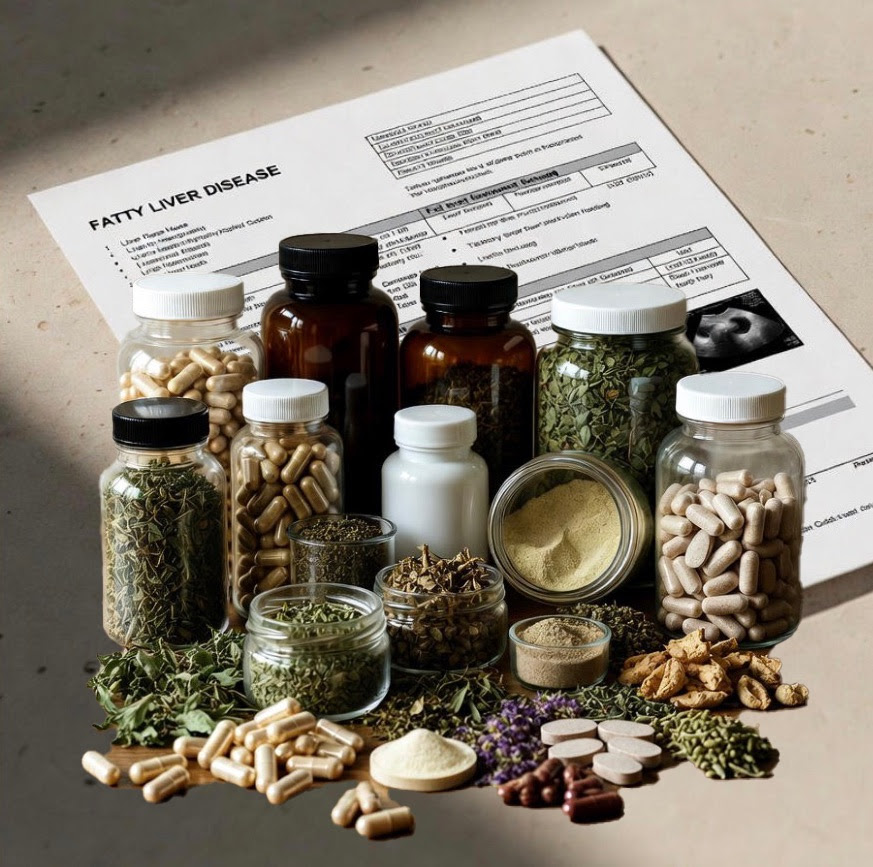
Five Herbal Supplements That Can Harm Your Liver
Many U.S. adults (40–60%) use dietary/herbal supplements, often assuming “natural” means safe. But, unlike prescription drugs, herbal supplements are not strictly regulated by the FDA for safety or effectiveness and can interact with medications.
Five Supplements Linked to Potential Liver Damage
Red Yeast Rice
Contains compounds similar to the cholesterol drug lovastatin. Can cause serious liver injury and other statin-like side effects. The FDA has banned versions with added lovastatin; unregulated levels make it risky.
Chaparral (creosote bush)
Traditional Native American remedy, but linked to severe, irreversible liver damage and cases requiring emergency liver transplant. FDA warns against ingesting or injecting it. Symptoms (jaundice, fatigue, abdominal pain) appear 3–12 weeks after starting use.
High-Dose Vitamin A (or beta-carotene)
Excess builds up in the body and can damage the liver (plus headache, nausea, dizziness). High-dose beta-carotene also raises lung cancer risk in smokers or asbestos-exposed people. Safer to get vitamin A from colorful fruits/vegetables (carrots, spinach, cantaloupe, etc.).
Pennyroyal (especially pennyroyal oil)
Highly toxic; even small amounts can cause rapid, life-threatening liver failure, multiorgan damage, and death (similar to acetaminophen overdose). Risk is worse when combined with acetaminophen. Experts strongly advise against oral use.
Ashwagandha
Popular Ayurvedic herb for stress/anxiety. Generally considered safe, but rare cases of liver injury have been reported (jaundice, itching, nausea, lethargy, abdominal pain). Contamination or unclear ingredient quality may play a role.
Overall Advice
Always consult with Dr. Weisz before starting any supplement, especially if you have liver issues or take other medications. Food sources are usually the safest way to get nutrients. If symptoms of liver problems appear while taking a supplement, seek medical help immediately.
======================================================================
Source: Melinda Ratini, MS, DO / WebMD, March 25, 2025
======================================================================
15 Tips to Help You Lower Your Cholesterol
Has Dr. Weisz told you that you have high cholesterol? Then you know you need to change your diet and lifestyle to lower your chance of getting heart disease. Even if you get a prescription for a cholesterol drug to help, you’ll still need to change your diet and become more active for heart health. Start with these 15 steps.
1. Know Good and Bad
Your body needs a small amount of cholesterol. But many people have too much, especially the “bad” kind, or LDL cholesterol. That can happen if you eat too much saturated fat, found mainly in foods from animals.
2. Use Your Hands
It’s easy to eat too much, especially when you eat out and the portions are huge. That can lead to weight gain and higher cholesterol. What’s a true portion? There’s a “handy” way to tell. One serving of meat or fish is about what fits in your palm. One serving of fresh fruit is about the size of your fist. And a snack of nuts or serving of cooked vegetables, rice, or pasta should fit in your cupped hand.
3. Think Delicious and Nutritious
Load your plate with fruits and vegetables — aim for five to nine servings each day — to bring down your LDL level. Antioxidants in these foods may provide the benefit, along with fiber.
4. Boost Your Omega-3s
You can eat fish twice a week. It’s a great source of protein and omega-3s, which are a type of fat your body needs. Omega-3s help lower levels of triglycerides, a type of fat in the blood.
5. Start Your Day With Whole Grains
A bowl of oatmeal is a smart choice. It fills you up, making it easier not to overeat at lunch. The fiber also curbs LDL cholesterol.
6. Go Nuts
Need a snack? A handful of almonds, pecans, pistachios, walnuts, or other nuts is a tasty treat. They are high in monounsaturated fat, which lowers LDL “bad” cholesterol but leaves HDL “good” cholesterol alone.
7. Make It Unsaturated
You need some fat in your diet, but probably less than you think. Plus, the type of fat matters. Unsaturated fats — like those found in canola, olive, and safflower oils — lower LDL “bad” cholesterol levels and may help raise HDL “good” cholesterol. Saturated fats — like those found in meat, full-fat dairy, butter, and palm oil — raise LDL cholesterol.
8. Pick the Best Carbs
Beans and whole grains such as brown rice, quinoa, and whole wheat have more fiber and don’t spike your blood sugar. They will lower cholesterol and make you feel full longer.
9. Go for 30
Just half an hour of physical activity 5 days a week can lower your bad and raise your good cholesterol levels. More exercise is even better. Being active also helps you reach and keep a healthy weight, which cuts your chance of developing clogged arteries.
10. Walk It Off
It’s simple, convenient, and all you need is a good pair of shoes. Aerobic exercise (“cardio”) such as brisk walking lowers the chance of stroke and heart disease, helps you lose weight, keeps bones strong, and is great for your mood and stress management.
11. Go Beyond the Gym
You can be active anywhere. Garden, play with your kids, hike, dance, walk your dog — if you’re moving, it’s good! Even housework goes on the list if it gets your heart rate up.
12. Be Smart When You Eat Out
Restaurant food can be loaded with saturated fat, calories, and sodium. Even “healthy” choices may come in supersize portions. To stay on track:
- Choose broiled, baked, steamed, and grilled foods — not fried.
- Get sauces on the side.
- Ask for half of your meal to be boxed up before you get it.
13. Check the Label
What’s the serving size? The nutrition info may look good, but does the package contain two servings instead of one? If it says “whole grain,” read the ingredients. Whole wheat or whole grain should be the first one.
14. Stay Chill
Over time, out-of-control stress becomes a problem. It raises your blood pressure, and for some people, it might mean higher cholesterol levels. Make it a priority to relax.
15. Check Your Weight
Extra pounds make you more likely to get high cholesterol, high blood pressure, and type 2 diabetes. These all affect the lining of your arteries, making them more likely to collect plaque from cholesterol. Losing weight, especially belly fat, raises your good and lowers your bad cholesterol.
===========================================================================
Source: Poonam Sachdev / WebMD, March 04, 2024
===========================================================================
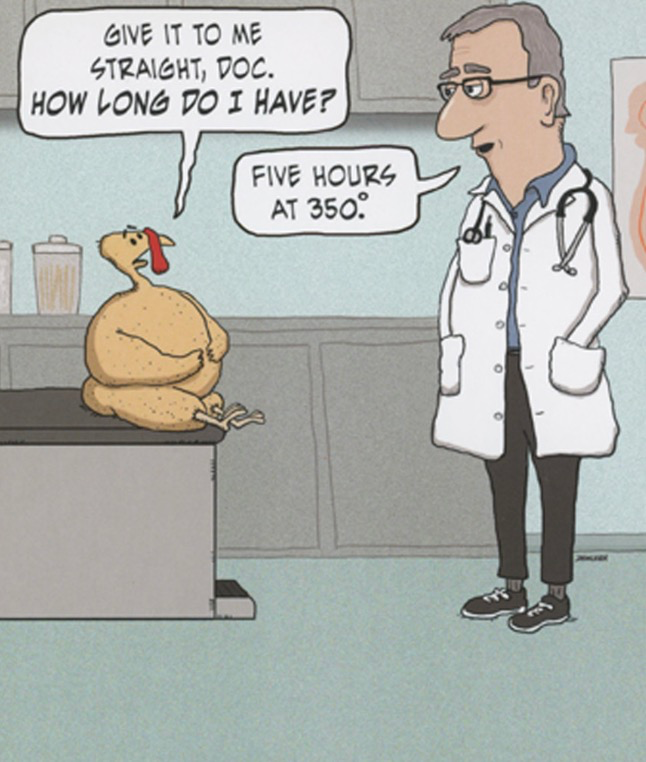
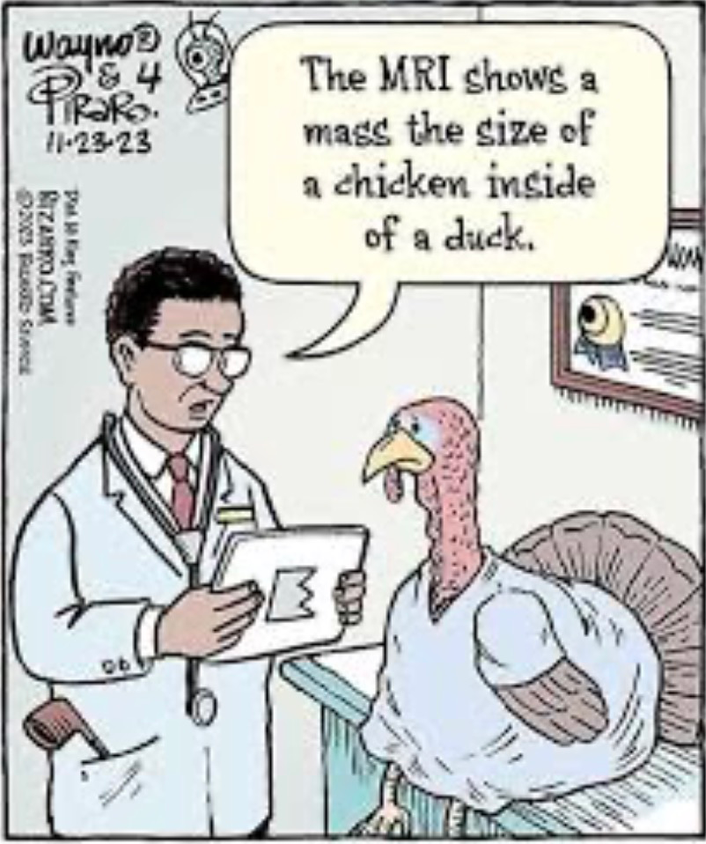
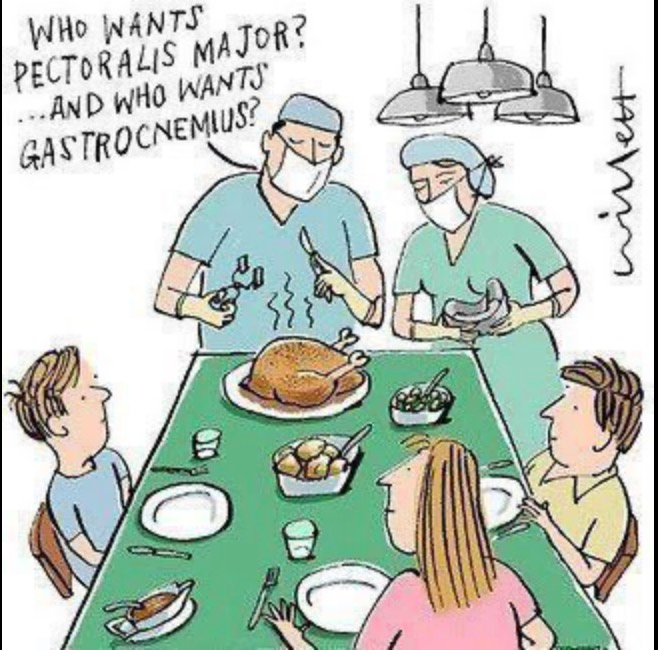
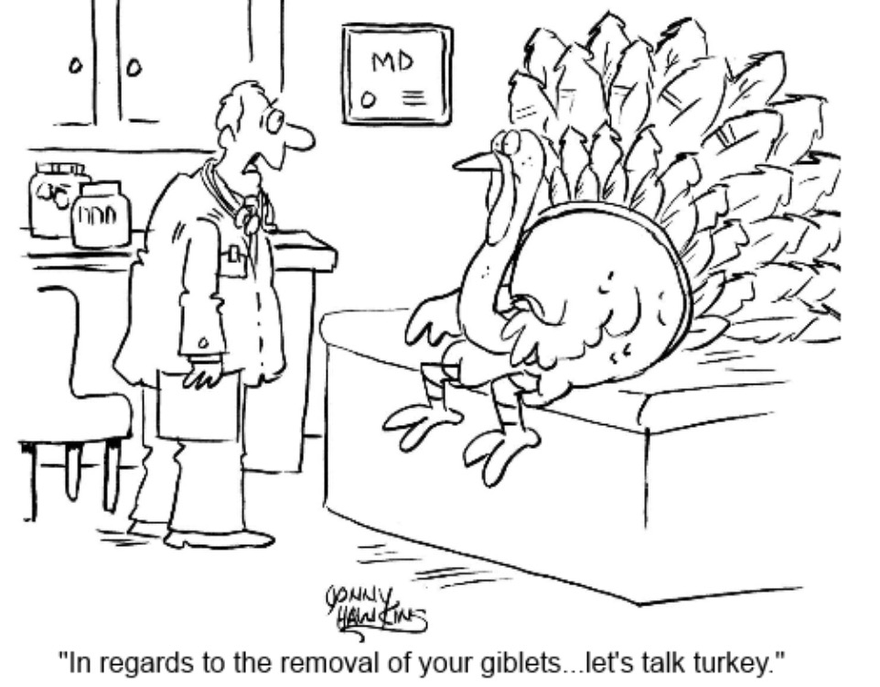
Laughter is the Best Medicine
===========================================================================
Thyme and Shallot Roasted Butternut Squash
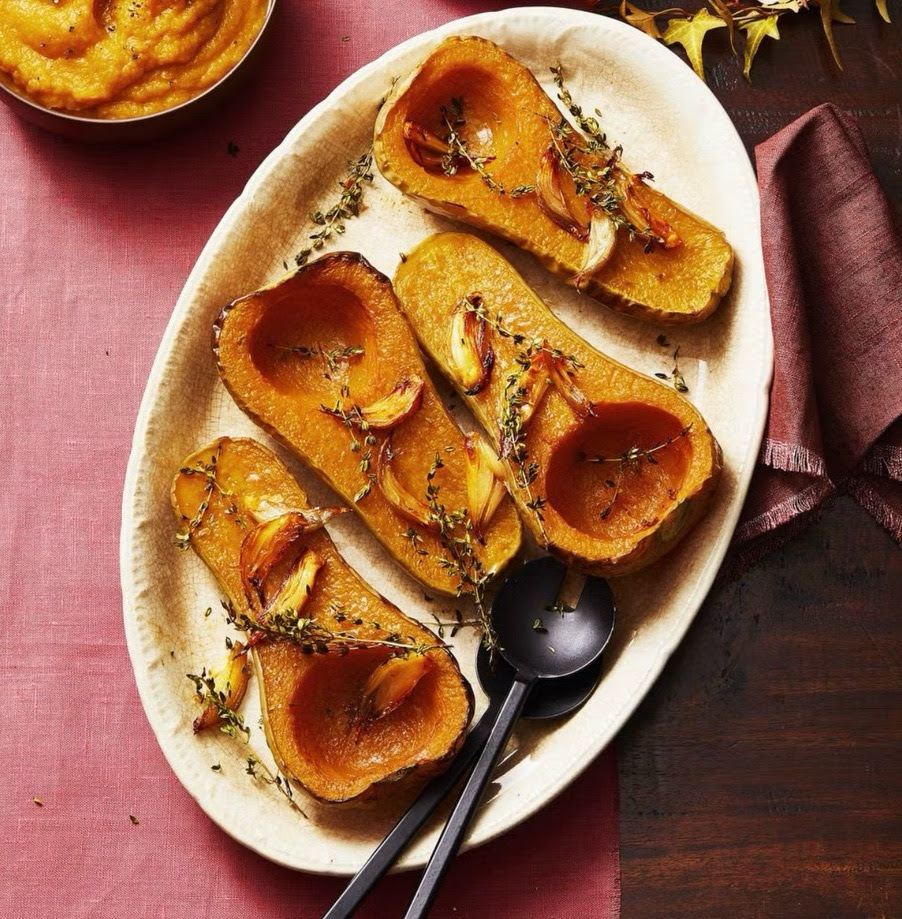

A heart-healthy and yummy Thanksgiving side dish
This fall-favorite roasted butternut squash gets a little extra sweetness from a drizzle of maple syrup, making it the perfect side dish for Thanksgiving turkey.
A heart-healthy and yummy Thanksgiving side dish
This fall-favorite roasted butternut squash gets a little extra sweetness from a drizzle of maple syrup, making it the perfect side dish for Thanksgiving turkey.
Ingredients:
- 3 Tbsp. olive oil, divided, plus more for foil
- 3 butternut squash (about 2 pounds each)
- Kosher salt and pepper
- 8 small shallots, quartered
- 12 sprigs fresh thyme, plus more for serving
- 3 Tbsp. pure maple syrup