
Living Well
Health Insights from Dr. Alla Weisz
Practical, research-based articles from Dr. Alla Weisz, a board-certified family medicine physician and concierge doctor in Palm Beach Gardens. They answer common health questions for adults 45 and older: how to lower cholesterol, which screenings you need in your 40s, 50s and 60s, how to protect your memory, and how concierge care works with Medicare.
Browse by topic: Heart Health · Brain Health & Memory · Diabetes & Weight · Prevention & Screenings · Medications & Care Coordination · Concierge Care & Medicare
These articles are for general education and aren’t a substitute for medical advice. To talk about your own health, request a complimentary Meet & Greet or call 561-802-7999.
What happens at a Meet and Greet with Dr. Alla Weisz: how to schedule it, what you’ll talk about, questions to ask and what to bring.
View DetailHow concierge medicine works as an employee benefit, what employees get, and what employers should ask before offering it.
View DetailIs a concierge doctor worth it if you have Medicare? How membership works alongside Medicare, what you get, and questions to ask before you join.
View DetailDiet changes that lower blood pressure: the DASH eating plan, less sodium, more potassium and less alcohol, per the 2025 AHA/ACC guideline.
View DetailBMI alone can miss or overstate excess body fat. A 2025 global commission recommends adding waist measures. What it means for you.
View DetailUpdated 2025 guidelines: osteoporosis screening for all women 65 and older and for younger postmenopausal women at higher risk. What about men?
View DetailHow to lower cholesterol with everyday changes in diet, activity, weight, sleep and stress, and when medication makes sense.
View Detail“Natural” doesn’t always mean safe. Red yeast rice, chaparral, pennyroyal and ashwagandha have been linked to liver injury. What to know before you take one.
View DetailA 2025 study linked a few thousand steps a day with slower memory decline in older adults at risk for Alzheimer’s. What it found, and what it can’t prove.
View DetailWhat research says about sleep and cholesterol, why the American Heart Association counts sleep in heart health, and practical tips for better sleep.
View DetailA gluten-free diet is essential for celiac disease, but for most people it offers no proven benefit. What to know, and why to get tested first.
View DetailAerobic, strength and balance exercise each protect your health as you age. How much you need each week, easy ways to start, and safety tips.
View DetailThe Portfolio Diet combines nuts, plant protein, soluble fiber and plant sterols to lower LDL cholesterol. What to eat, how well it works, and how to start.
View DetailOver-the-counter glucose monitors are easy to buy. What they can and can’t tell you if you don’t have diabetes, and a better way to check your risk.
View DetailThe 2026 ACC/AHA cholesterol guideline adds a one-time Lp(a) test, a new risk calculator and clearer LDL goals. What changed and what to ask your doctor.
View DetailA comprehensive medication review checks every medicine and supplement you take for problems. How it works, who offers it, and how to prepare.
View DetailMost hospital stays are managed by a hospitalist, not your own doctor. Here’s how that works, and how a concierge doctor stays involved.
View DetailWhat to look for in a doctor for your mom or dad, the questions to ask, and how a concierge practice helps families, including those who live out of state.
View DetailWhat a coronary artery calcium (CAC) score measures, what the numbers mean, who benefits most, and what the scan can’t tell you.
View Detail
As we get older, our list of doctors tends to get longer. A cardiologist for your heart. An orthopedist for your knee. A dermatologist for your skin. Maybe a gastroenterologist or another specialist along the way. Having excellent specialists is important. But there’s another question worth asking: Who is looking at …
Continue reading "Do You Really Need All Those Specialists? Why Coordinated Primary Care Matters"
View Detail
What happens at an annual physical, why it may not be enough after 50, and what to ask so your visit covers prevention.
View Detail
Most of us aren’t worried about simply getting older. What we really care about is how we’re going to feel as we get older. Will you still be able to travel? Play golf or tennis? Keep up with your grandchildren? Live comfortably in your own home? Get up and down …
Continue reading "Healthy Aging: 10 Things to Start Doing Now to Stay Independent Later"
View Detail
At Weisz Concierge Medical, patients have direct access to Dr. Weisz and the practice offers same-day sick appointments, along with availability nights and weekends.
View Detail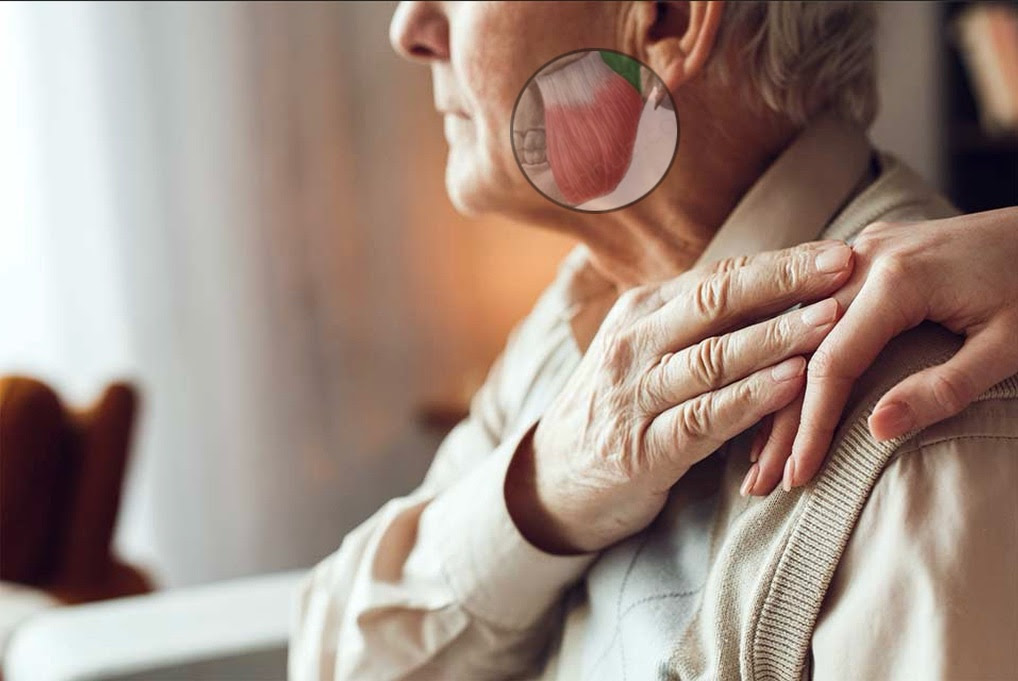
Many active, high-functioning adults in Jupiter, Juno Beach, and West Palm Beach are used to handling everything on their own — careers, families, aging parents, businesses, community obligations. Mental health symptoms often get minimized, rationalized, or pushed aside. But your emotional and cognitive health are just as important as your blood pressure, cholesterol, and A1C
View Detail
Feeling tired all the time? Common causes of fatigue, from sleep problems and anemia to thyroid issues and medications, and when to see a doctor.
View Detail
Depression is not a normal part of aging, yet it frequently goes unnoticed in older adults. Many seniors attribute changes in mood, energy, or motivation to “just getting older.” In reality, these symptoms may indicate a treatable medical condition.
View Detail
Which health screenings you need in your 40s, 50s and 60s, based on current U.S. Preventive Services Task Force guidance.
View Detail
As a concierge family medicine physician serving Palm Beach Gardens, Jupiter, North Palm Beach, Wellington, Tequesta, Juno Beach, and Singer Island, Dr. Alla Weisz emphasizes that understanding the risks and benefits of each option is essential to maintaining optimal hydration, supporting organ function, and promoting longevity.
View Detail
For patients living in Palm Beach Gardens, Jupiter, North Palm Beach, and Juno Beach, Primary Care Family Physician Dr. Alla Weisz has become a trusted guide in helping them recalibrate their lives to support lasting health and emotional well-being.
View Detail
How much water do you need each day? What the National Academies recommend, why needs change with heat and age, and when to drink less.
View Detail
From a nutritional standpoint, refrigerated coconut water tends to be the better option—especially if it’s labeled “100% coconut water” with no added ingredients.
View DetailAt the concierge level of care, it’s not just about treating illness—it’s about fostering everyday habits that enhance longevity and quality of life. Dr. Alla Weisz, a trusted family medicine physician in Palm Beach Gardens, encourages her patients to embrace the power of mental health breaks throughout the day. These simple, intentional pauses can support emotional clarity, reduce stress, and promote lasting vitality for patients of all ages.
View Detail
Concierge Primary Care Physician Dr. Alla Weisz, MD, works closely with patients to create customized health strategies, helping them defy genetic predispositions and build long-term wellness plans tailored to their specific needs.
View Detail
Innovative GLP-1 receptor agonist medications such as Zepbound (tirzepatide), Wegovy (semaglutide), and Ozempic (semaglutide) have transformed the approach to weight loss and metabolic health. However, their benefits extend far beyond weight management. Emerging research has demonstrated their potential to treat obstructive sleep apnea, cardiovascular disease, kidney disease, chronic inflammation, and even neurological conditions.
View Detail
Semaglutide (Ozempic, Wegovy) is generally safe under a doctor’s care, but it has side effects and isn’t for everyone. What to know before you start.
View Detail
Balancing a demanding work schedule with a commitment to fitness and health can feel overwhelming, but with a thoughtful approach, it's entirely achievable. Dr. Alla Weisz at Weisz Concierge Medical encourages her patients to integrate wellness into their routines, even when life gets hectic.
View Detail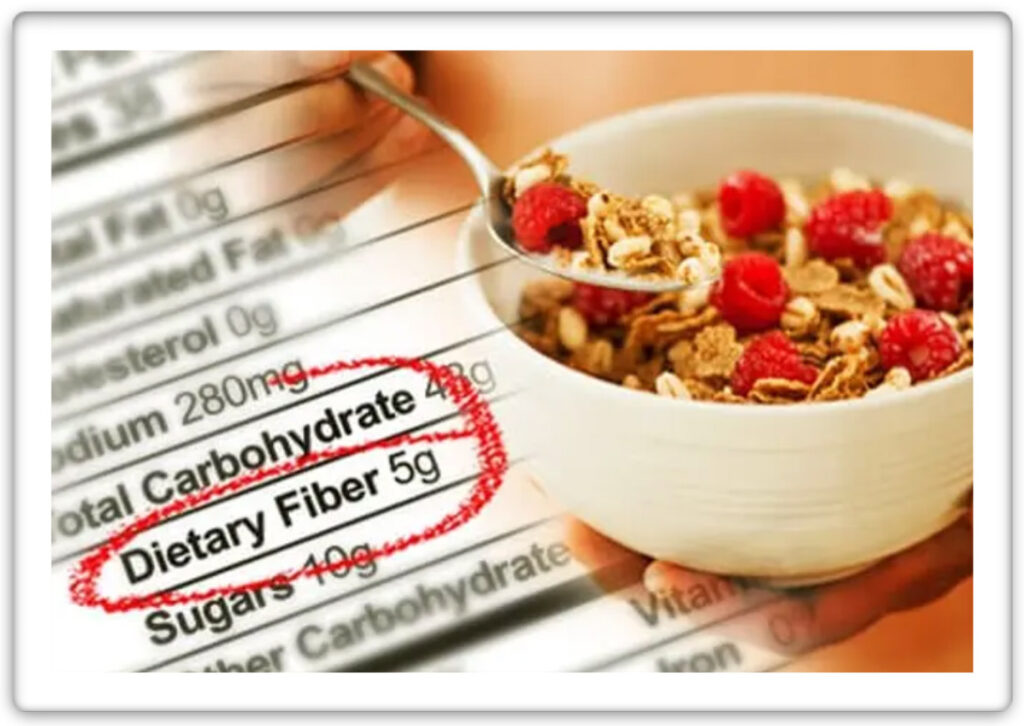
Super Foods are those parts of your diet that can actually benefit you by reversing conditions such as high cholesterol. Here are a few high fiber super foods you should consider adding to your diet...
View Detail
How added sugar affects your cholesterol and heart health, how much is too much, and easy ways to cut back.
View Detail
If you’re one of the millions of people who have seasonal allergies, this time of year means sneezing, congestion, a runny nose and other bothersome symptoms. Also known as hay fever and allergic rhinitis, allergies can make you miserable. But there are ways to fight back by using a few …
Continue reading "Coping with Seasonal Allergies"
View Detail
Ten foods to limit for brain health, based on MIND diet and dementia research, plus what to eat instead.
View Detail
What guidelines say about prostate cancer screening for men 55 to 69, and how the newer Stockholm3 blood test may reduce unneeded biopsies.
View Detail
Research links a MIND-style diet in midlife to larger brain volume. What the studies show, what they don’t, and how to eat for brain health.
View Detail
According to the National Institute on Aging, these are the Eight Commandments that, if observed, will assure you good health after reaching age sixty. There are many factors, such as genetics, that we are unable to control. But all of the following are all within our reach.
View Detail
What research says about weight lifting and longevity in older adults, and how to start strength training safely.
View Detail
Grilled salmon is not only a delicious addition to your dinner table but also a powerhouse of nutrition that supports a healthy lifestyle. As a rich source of high-quality protein, salmon provides all the essential amino acids your body needs to build and repair tissues. A single serving can supply a significant portion of your daily protein requirement, making it an excellent choice for anyone looking to maintain muscle mass, improve recovery after exercise, or simply enjoy a satisfying, nutrient-packed meal.
View Detail
A large U.S. study linked certain antioxidants from leafy greens and orange fruits to lower dementia risk. What it found, and why food beats pills.
View Detail
How keto and Mediterranean diets compare for blood sugar, cholesterol and nutrition, and which may be easier to stick with.
View Detail
How to stay connected with your concierge doctor while you travel, plus CDC-backed tips on medicines, long flights and sun safety.
View Detail
Postbiotics are essentially non-living metabolites. Metabolites are substances needed to carry out digestion. Postbiotics are produced by micro-organisms during the fermentation process.
View Detail
The short answer: A urinary tract infection (UTI) happens when bacteria get into the urinary tract. Most UTIs are bladder infections, and the most common UTI symptoms are burning when you urinate and a frequent, urgent need to go. A kidney infection is less common but more serious, and usually …
Continue reading "UTI Symptoms: Bladder Infection vs. Kidney Infection and When to See a Doctor"
View Detail
The short answer: Asthma and COPD both make it hard to breathe, but they’re different conditions. Asthma symptoms come and go, often set off by triggers such as pollen, smoke or exercise, and can start at any age. COPD (chronic obstructive pulmonary disease) is usually caused by long-term smoking, develops …
Continue reading "Asthma vs. COPD: Symptoms, Differences and Treatment"
View Detail
The short answer: Acute pain starts suddenly, from an injury, surgery or illness, and usually gets better as the cause heals. Chronic pain lasts more than about 3 months. It can continue after an injury has healed, and is common with arthritis, back problems and nerve damage. Chronic pain is …
Continue reading "Acute vs. Chronic Pain: What’s the Difference and How It’s Treated"
View Detail
Do you feel like you’re often suffering from back pain? If so, it’s important to talk to your doctor. There are many less invasive or non-invasive options available today before one considers lower back surgery.
View Detail
Most sore throats are caused by viruses and get better in a week. How to tell if it might be strep, what helps at home, and when to see a doctor.
View Detail
The short answer: No hangover cure has been proven to work. Time is the only real cure. Symptoms usually peak as your blood alcohol returns to zero and can last 24 hours or longer. The surest way to prevent a hangover is to drink less. Common Hangover Symptoms Headache, tiredness, …
Continue reading "Hangover Symptoms: What Helps, What Doesn’t, and When to Worry"
View Detail
The short answer: Colds come on gradually, with sneezing and a stuffy nose. The flu usually hits suddenly, with fever, body aches and exhaustion. That’s the key to cold vs. flu. Both are caused by viruses, so antibiotics don’t help. If you’re 65 or older, or have a condition like …
Continue reading "Cold vs. Flu: Symptoms, Treatment and When to See a Doctor"
View Detail
The short answer: Most sudden vomiting and diarrhea comes from viral gastroenteritis (the “stomach bug”) or food poisoning, and gets better within a few days. The main risk is dehydration, so focus on replacing fluids. Older adults, and anyone with severe or long-lasting symptoms, should see a doctor promptly. Common …
Continue reading "Nausea, Vomiting and Diarrhea: Causes, Home Care and When to See a Doctor"
View Detail
The short answer: Dehydration means your body doesn’t have enough water and fluids. Older adults are more likely to become dehydrated, because of illness, medicines such as water pills, chronic conditions like diabetes, and South Florida heat. Early signs of dehydration include thirst, a dry mouth and dark urine. Confusion, …
Continue reading "Dehydration in Older Adults: Signs, Causes and When to See a Doctor"
View Detail
The short answer: The U.S. Preventive Services Task Force recommends colorectal cancer screening for adults 45 to 75. From 76 to 85, the decision depends on your health and past screening. There are several good tests, from a colonoscopy every 10 years to a stool test every year. The best …
Continue reading "Colorectal Cancer Screening: When to Start and Which Test to Choose"
View Detail
How concierge medicine differs from traditional primary care, which insurance Weisz Concierge Medical accepts (including Medicare), and how concierge care differs from direct primary care.
View Detail
The short answer: The CDC recommends a flu vaccine every season for everyone 6 months and older, ideally by the end of October. It also recommends a pneumococcal (pneumonia) vaccine for all adults 50 and older, and for younger adults with certain health conditions. Your doctor can check which vaccines …
Continue reading "Flu and Pneumonia Vaccines for Adults: Who Needs Them and When"
View Detail
Reducing stress and fostering mental well-being are equally important in heart disease prevention. Dr. Weisz highlights the importance of quality sleep, mindfulness practices, and stress-reducing techniques such as meditation and deep breathing exercises. Chronic stress can negatively impact heart health, so taking steps to manage it is crucial.
View Detail
The short answer: A nebulizer turns liquid medicine into a fine mist that you breathe in through a mouthpiece or mask, using normal breaths. It’s often used for asthma and COPD. Inhalers are smaller and faster but take practice, so a nebulizer can help people who find an inhaler hard …
Continue reading "Nebulizer vs. Inhaler: How Nebulizer Treatments Work"
View Detail